Advertisement: This page contains affiliate links to Amazon.de. As an Amazon Associate, we earn from qualifying purchases. The price does not change for you.
AI notice: This page was translated with AI from the German original.
Open vs. Closed Pod System: Which Is the Better Choice?
Refillable or pre-filled? Cost, flavour, flexibility and suitability for everyday use in an honest comparison.
The question of open or closed pod system faces almost everyone who starts vaping. Open systems use refillable pods into which you fill your own e-liquid. Closed systems use pre-filled pods that you just insert and dispose of after use.
The short answer: open pod systems are the more sensible choice for most regular users: cheaper, more flexible and more sustainable. Closed systems, on the other hand, are maximally simple and convenient but more expensive and more limited in the long run. You can also find a compact head-to-head comparison in our comparison section.
For regular users an open (refillable) pod system is better: it costs €40 to €60 a month instead of €90 to €180 with closed systems, offers hundreds of e-liquid options and is more sustainable. Closed systems are only worthwhile for very infrequent use or if you want no effort at all.
What do open and closed mean?
Open pod system (refillable)
With an open system you buy the device and fill your own e-liquid into the pod. When the e-liquid runs out, you refill. You change the coil or pod every 1 to 3 weeks. You have full control over flavour, nicotine strength, PG/VG ratio and brand. Examples: Vaporesso XROS 5, VooPoo Argus G3.
Closed pod system (pre-filled)
With a closed system you buy pre-filled pods that you insert and dispose of after use. No refilling, no coil changes, no contact with e-liquid. In return you are limited to the manufacturer’s flavours and nicotine strengths. Examples: VEEV ONE, JUUL.
The comparison at a glance
| Criterion | Open system | Closed system |
|---|---|---|
| Purchase | €20 to €40 | €9 to €25 |
| Monthly costs | €40 to €60 | €90 to €180 |
| E-liquid choice | Hundreds of brands + flavours | 10 to 25 per manufacturer |
| Nicotine strength | Freely selectable (0 to 20 mg) | Fixed (mostly 18 to 20 mg) |
| Controls | Simple (refill e-liquid) | Maximally simple (insert pod) |
| Maintenance | Coil/pod every 1 to 3 weeks | None |
| Sustainability | Good (only coils as waste) | Poor (whole pod = waste) |
| Flavour quality | Very good (mesh coils) | Good, but fewer nuances |
Cost: an open system saves considerably
Open systems are considerably cheaper. Monthly costs: €40 to €60 (e-liquid + coils) vs. €90 to €180 for closed systems (pre-filled pods). Per year you save €600 to €1,400 with an open system. Detailed cost calculation in our cost guide.
The reason for the price difference is simple: with closed systems every pod also pays for the coil, the housing and the packaging. With open systems you only buy the e-liquid and the occasional coil; the pod itself lasts weeks or months.
Flavour and E-Liquid Choice
With an open system you have access to hundreds of e-liquids from dozens of manufacturers. You can freely combine PG/VG ratio, nicotine strength and flavour. Closed systems, by contrast, offer 10 to 25 flavours per manufacturer, and you are tied to that selection.
Flexibility matters especially for switchers: anyone who does not yet know whether tobacco, menthol or fruit suits best can experiment cheaply with an open system. With closed systems every flavour trial costs a new pod (€3 to €6).
Operation and maintenance
Here lies the only real strength of closed systems: zero maintenance. Insert pod, vape, dispose of pod. No refilling e-liquid, no changing coils, no dirty hands. For absolute tech-avoiders or very infrequent users that can be a decisive advantage.
Open systems, by contrast, require minimal effort: refill e-liquid (10 seconds), change the coil every 1 to 3 weeks (30 seconds), occasionally clean the device. Anyone who can charge a smartphone will cope.
Sustainability
Closed pod systems produce considerably more waste. Every used pod contains plastic, a coil and often leftover e-liquid, all of which goes in the bin. With daily use that adds up to hundreds of pods a year.
With open systems the only regular waste is the small coil. The pod itself lasts weeks, the device months to years. If sustainability matters to you, you cannot get around an open system. More on the subject in our disposable vs pod system comparison.
What Suits Whom?
An open system makes sense if you…
- …vape regularly (several times a week or daily)
- …want to save money (savings of up to €1,400 a year)
- …want to try different e-liquids and nicotine strengths
- …are switching from cigarettes and want to adjust the nicotine strength flexibly
- …value flavour quality and sustainability
A closed system makes sense if you…
- …vape only very rarely (a few times a month)
- …want no effort at all with e-liquid, coils or cleaning
- …just want to try vaping first without investing much
- …do not feel like dealing with technical details
For daily use an open system is better suited to everyday life: refilling e-liquid takes 10 seconds and costs a fraction. With closed systems you have to keep buying new pods and keep them in stock. If you vape only rarely, closed systems are more convenient.
Open pod systems 2026 at a glance
If you decide on an open system, which is the better choice for most users, these three devices are our current recommendations for different needs:
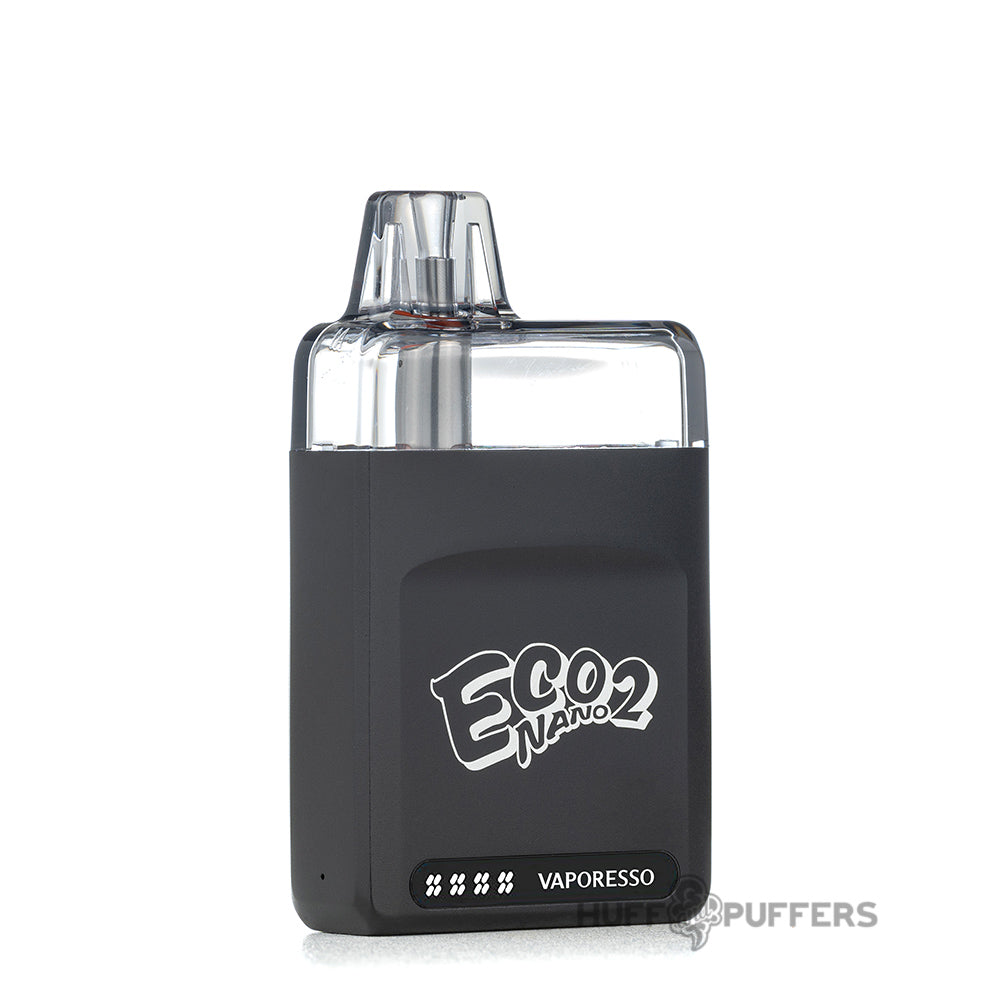
Vaporesso ECO Nano 2
Ultralight open pod system with ECO mode for longer coil life and lower e-liquid consumption. COREX mesh coils are designed for intense flavour. Ideal for on the go.
Read the full review → Check price on Amazon →
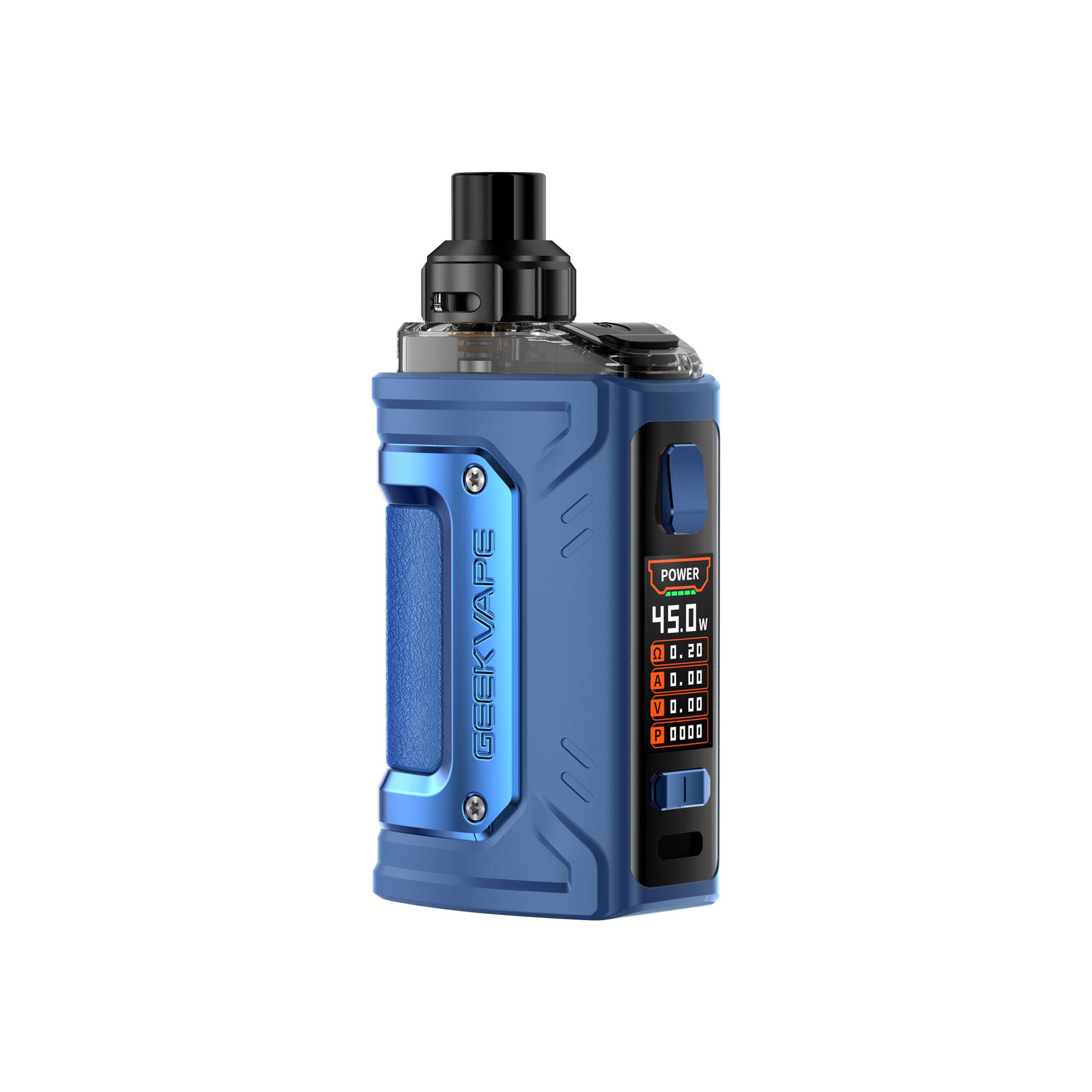
GeekVape H45 Classic
IP68-protected, 1,400 mAh battery, adjustable wattage up to 45 W. Designed for protection against impacts, dust and water. Versatile from MTL to RDL with B-Series mesh coils.
Read the full review → Check price on Amazon →
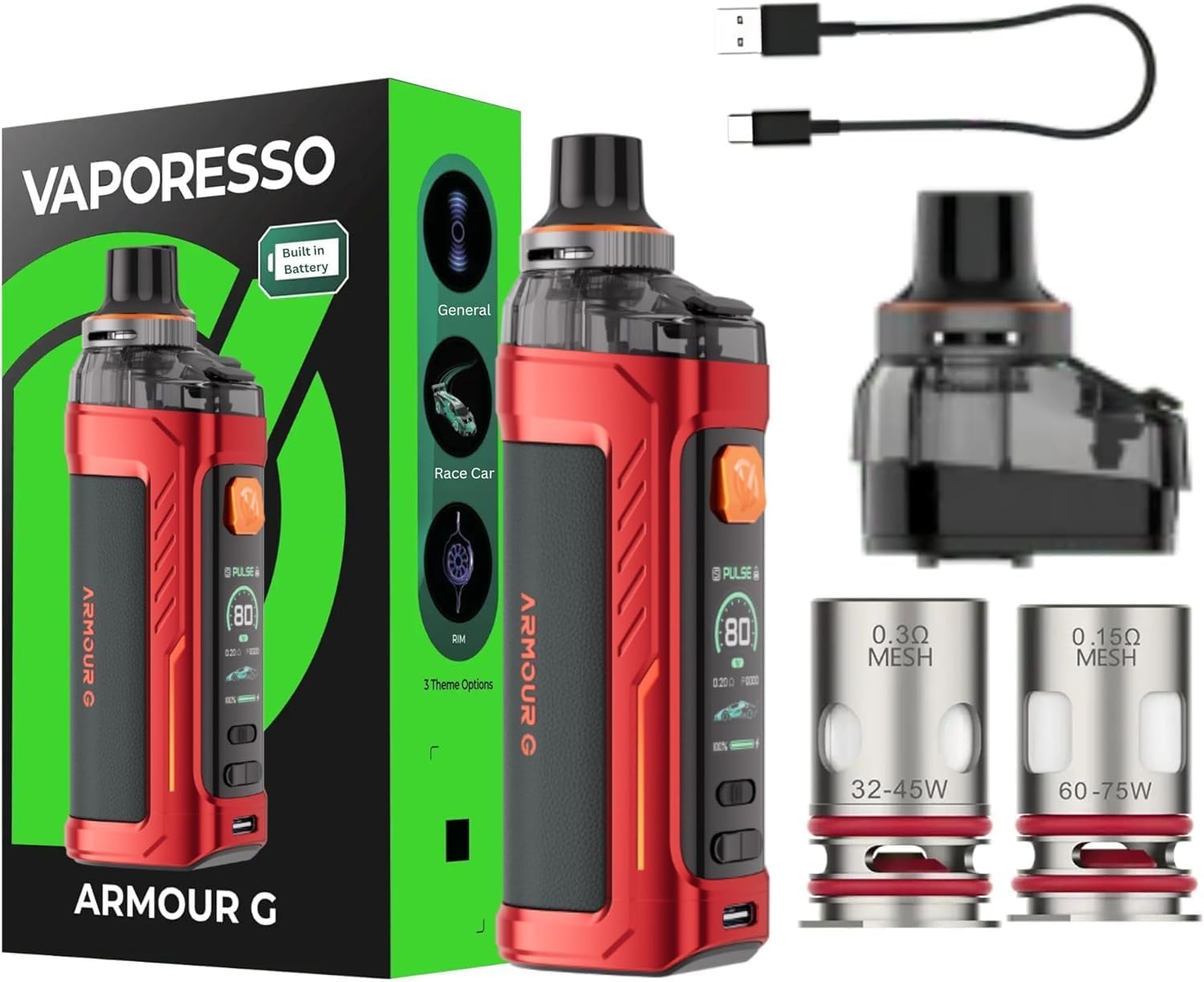
Vaporesso ARMOUR G
Elegant design with AXON chip and adjustable wattage. Large battery, COREX mesh coils and 5 ml pod. For vapers who want more power and style.
Read the full review → Check price on Amazon →More open pod systems in our pod system overview or in the e-cigarette comparison.
Find the right pod system
Compare open pod systems or read our switcher’s guide for the perfect start.
Frequently asked questions: open vs. closed pod system (FAQ)
Which is better for beginners: open or closed pod system?
For beginners who want to vape regularly we recommend an open system. It is cheaper in the long run and offers more flexible nicotine strengths. Modern open pods are almost as easy as closed ones. Only for a one-off try-out can a closed system make sense.
Can I switch from a closed to an open system?
Yes, switching is easy. Many manufacturers such as Elf Bar even offer devices like the ELFA Turbo that make the transition easier: familiar brand, but refillable. You can buy similar flavours as e-liquid and save money immediately.
Are closed pod systems more harmful than open ones?
In health terms there is no relevant difference: both use similar e-liquids with PG, VG, flavourings and optional nicotine. The difference lies in cost, flexibility and sustainability, not in health effects.
Which e-liquid brands can I use in open systems?
In open systems you can use practically any e-liquid as long as the PG/VG ratio suits the device (mostly 50/50 for pods). There are hundreds of brands and thousands of flavours, from premium manufacturers to cheap own brands.
How much do I save per year with an open pod system?
Compared with a closed system you save €600 to €1,400 a year, and compared with cigarettes even €2,400 to €3,000. The saving comes from cheaper e-liquid and longer-lasting coils. Detailed calculation in our cost guide.
Conclusion: for regular users open is the better choice
The open or closed pod system comparison comes out in favour of the open system for most users: massively cheaper, more flexible with e-liquids and nicotine, better in flavour thanks to mesh coils and considerably more sustainable. Closed systems have their place for occasional users who want maximum simplicity.
Best start with one of the recommended open devices above or read our switcher’s guide for the perfect start into vaping.
This article contains affiliate links. Learn more.